GROWING GUIDES - TomatoesActualisé il y a 9 mois
It is fun to grow tomatoes and even more fun to eat. This is our growing guide to Tomatoes in Canada.
Botanical name : Solanum lycopersicum
Seeds
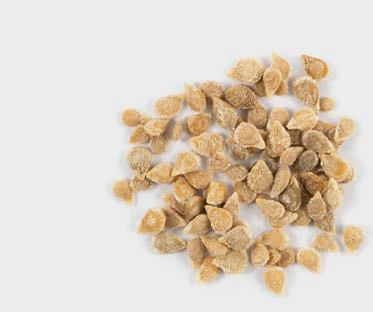
Seedling Sowing
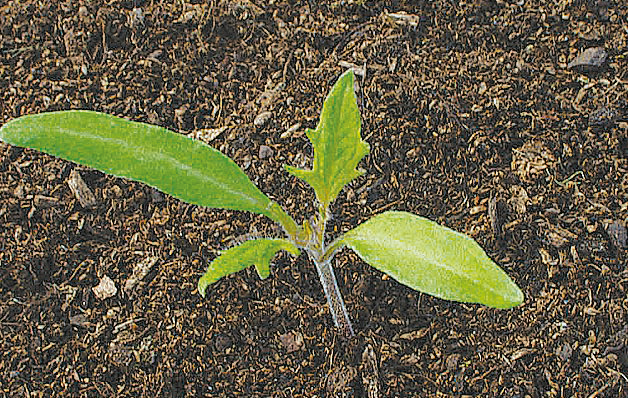
Key Information
Average time to harvest : 20 weeks
Sowing depth : 0.5cm
Ideal growing temperature : 15-20°C
Sowing Zone details?? canada details....
Soil Type : Warm, well drained
Profile
Tomatoes were made to soak up the heat and sunshine of summer. Whether grown in a greenhouse, vegetable patch, rounded, bushy hanging basket or outside on a sunny balcony, nothing tastes better than a home-grown tomato; it has a depth of flavour no supermarket variety can match. And with so many varieties, shapes and colours, there’s something for everyone. Whether you’re a fi rst-time grower or an expert, anyone can grow tomatoes. Originally grown by the Incas and Aztec’s, they arrived on European shores back in the 16th century. But commercial growing didn’t start until the 19th century. Botanically defined as a fruit, the tomato is considered a vegetable by nutritionists. Grown everywhere from Iceland to outer space, tomatoes are considered one of the world’s most popular foods.
Growing at a Glance
- Tomatoes need heat and light to germinate and grow successfully. Sown indoors from January to April in the UK, they’re often most productive in a greenhouse or polytunnel but many varieties will also provide excellent crops outdoors in a sunny, sheltered location.
- Indeterminate or cordon types should be supported by canes or secured with string.
- When flowers appear, feed once a week, water regularly, and keep tying-in the growing plant to the support structure.
- Once several fruit trusses appear, remove the top of the main stem.
- Harvest the fruit as soon as they’re ripe to enjoy them at their best, and to encourage more fruit to grow.
Types of Tomato
Categories:
Cordon/Indeterminate – this tomato group grows up. Tied to a support structure, it’s often seen growing in greenhouses.
Bush/Determinate – this has a low, sprawling habit. Good for containers and hanging baskets
Varieties:
Cherry – red, yellow or chocolate in colour. Small, juicy fruits that have intense, sweet flavour. Bush / Determinate cherry varieties make an attractive display when grown in containers and hanging baskets on patios and balconies.
Standard – this is the most common type of tomato. Of medium size, it’s a good all-rounder. Normally red or yellow, these can be eaten raw or cooked.
Plum – traditionally grown for making sauces and pastes, they have a wonderful flavour balanced between sweet and sour.
Beefsteak – these large tomatoes take longer to mature, and are best suited to greenhouses where they can enjoy higher temperatures. Ideal sliced in salads and sandwiches, they come in many different varieties.
Sowing Seed
Use small pots, or modules, filled with a seed compost mix. Tamp the soil down to create a firm surface, and sow several seeds 2cm apart. Cover seeds lightly with compost. Place pots in a water-filled tray to soak. Finally, place somewhere warm and bright. Delay sowing outdoor crops until March or April.
Pricking Out
Once seedlings have their ‘true leaves’, move into individual pots. Hold the seedling by its leaves, never by the stem, and plant them deeply into individual, compost-filled 9cm pots. Water, and place somewhere warm and sunny.
Growing On
If roots appear at base of the pot, re-pot the plant into a larger pot to grow on. Once there are several leaves on the plant, its ready for its final growing position. Ensure you grow no more than three plants to a grow bag, or grow individually in large pots of compost. If growing outside, prepare the soil with organic matter. A week or two before planting, place the plants outside every day, for a few hours, so they can acclimatise. This is called ‘hardening off’. Finally, plant out when all risk of frost has passed.
Hints and Tips
It’s best to water the plants in the morning or at dusk, when there’s less water evaporation. To avoid scorched leaves, ensure you water at the base of the plant and not over it. Trying planting basil alongside your tomatoes. Not only are they a perfect pairing in cooking, but the basil is said to improve the flavour of your growing tomatoes.
Mr Fothergill‘s recommended varieties
Gardeners Delight - Very popular, large, sweet cherry tomatoes
Moneymaker - An old favourite, medium-sized fruits
Consuelo F1 - A large sweet cherry type with good resistance
Roma VF - Very tasty plum tomatoes
Big Daddy - Large beefsteak variety, up to 250g each!
Tigerella - Award winning for it’s novel appearance and great flavour
Plant Maintenance
- If growing indoors, ensure there’s plenty of ventilation to regulate temperatures and let in pollinators. You can also give the flowers a little ‘tickle’ to help spread the pollen between them.
- Remove any side shoots that appear on your indeterminate, cordon plant, between the main stem and branch. Continue to tie-in your plant to encourage growth, and support the weight of the swelling tomatoes.
- When the first branch of flowers (called a truss) appears, begin a weekly feed with a good quality tomato food.
- With four or five trusses on the plant, remove the top of the main stem. This will encourage fruit to set. Ensure you maintain a regular watering regime.
Jargon Busting
Pricking out - Moving seedlings to larger pots giving them more space to grow on.
Trusses - Branches of flowers / fruit.
True leaves - When seedlings sprout there is a set of oval leaves, called cotyledon, that appears first. A few days later a third single leaf will emerge that doesn’t look like the first two. That is the first true leaf.
Common Problems
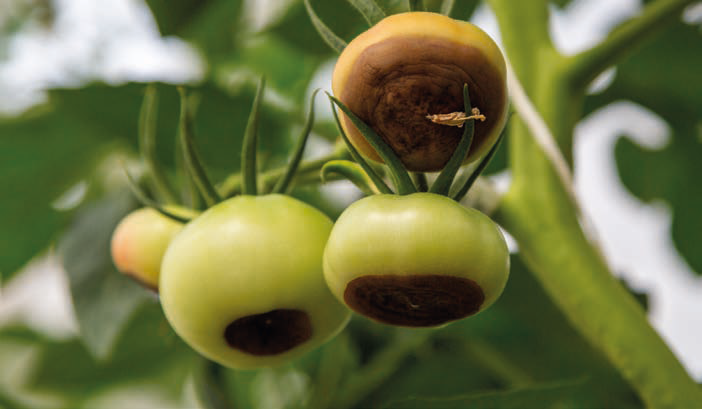
Blossom end rot is a dark, deformed area at the base of the tomato. This occurs when there’s a calcium shortage, due to irregular watering. This can also cause fruit to split.
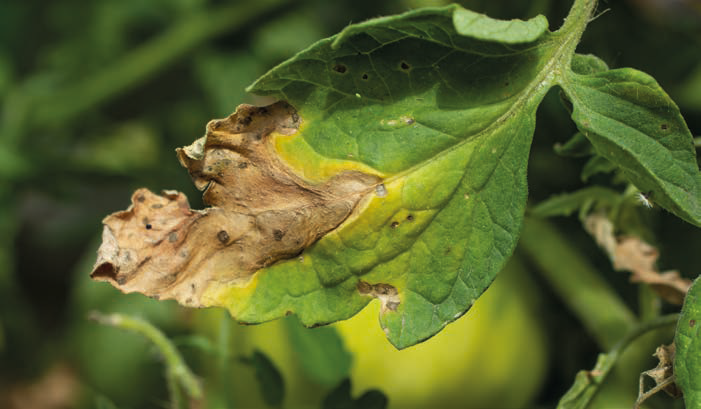
Blight is probably the most common problem, and is a fungal disease that also affects potatoes. If the fruit is rotting, and the stems or leaves are turning brown, remove the entire plant from the site to try and stop the spread. Do not add it to your compost. If blight is a problem in your garden, trying growing blight resistant varieties.
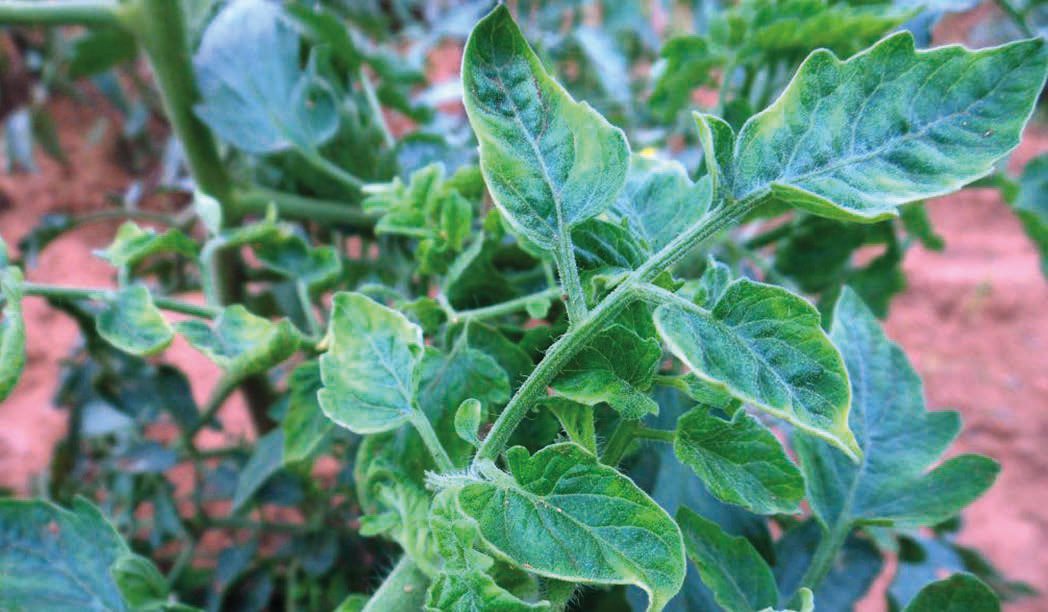
Mosaic virus results in curled, distorted leaves, mosaic patterns and reduced growth. Remove the plant as there’s no cure. Ensure you wash your hands and tools afterwards, as you could transmit the virus to a nearby tomato plant.
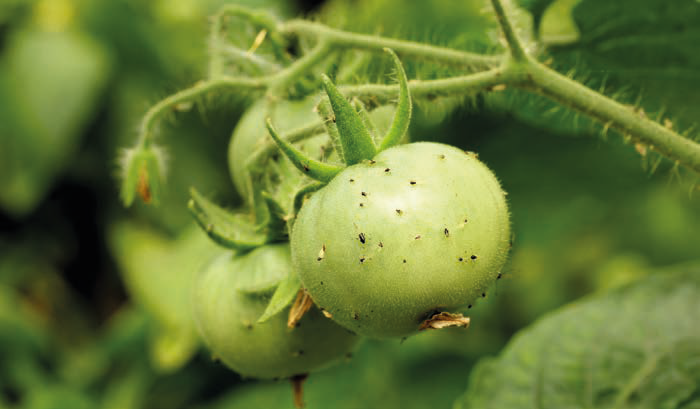
Aphids, whether they’re black or green, can easily be sprayed off the plant with water, or try companion planting with marigolds, which attract aphid-eating insects.